
MOL Pioneers Decarbonization for Japanese Electric Power Companies: First Technical Trial Voyage Using B30 Biofuel on Coal Carrier Serving Hokuriku Electric Power
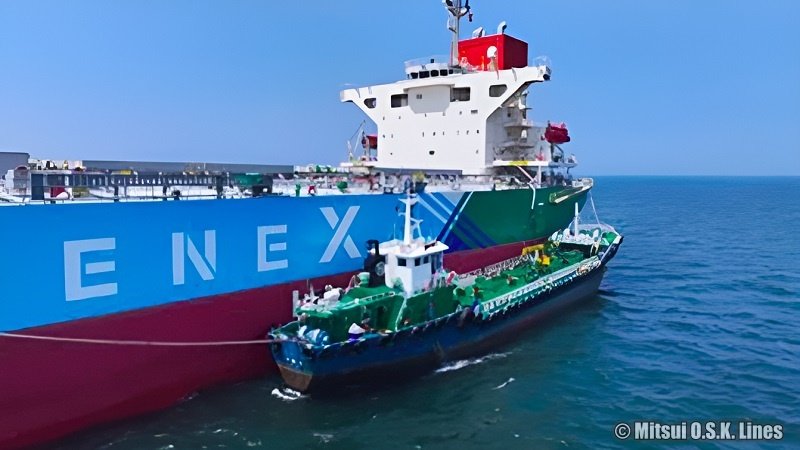
TOKYO – June, 2025 – Mitsui O.S.K. Lines, Ltd. (MOL) announced a significant milestone in sustainable marine transportation. On June 26, 2025, MOL successfully refueled its operated coal carrier, the HOKULINK, with B30 biofuel at Yeosu Port in South Korea. This marks the commencement of technical trial voyages using this advanced biofuel, serving Hokuriku Electric Power Company and signaling a groundbreaking first for a Japanese electric power company.
The HOKULINK, the second vessel in MOL’s innovative EeneX series of next-generation coal carriers, is now at the forefront of this pioneering initiative. The EeneX series is specifically designed for enhanced energy efficiency and contributes to cleaner energy transport.
Table of Contents
Revolutionary B30 Biofuel: A Significant Step Towards Decarbonization
The biofuel utilized in this trial is a blend of 30% organic resources derived from living organisms (biomass), such as waste cooking oil, and 70% mineral oil. This B30 blend is certified under the rigorous ISCC-EU (International Sustainability & Carbon Certification) standard, ensuring its adherence to strict sustainability criteria set by the European Renewable Energy Directive (RED II) for biofuels and bioliquids.
This B30 biofuel is projected to achieve a substantial reduction in CO2 emissions during navigation, estimated at approximately 30% compared to conventional fossil fuels. While biofuels do release CO2 upon combustion, the biomass feedstock used absorbs CO2 during its growth, resulting in a near-zero net carbon emission, a key characteristic driving their adoption as a carbon-neutral alternative.
A crucial advantage of biofuels like B30 is their compatibility with existing marine diesel engines, requiring no modifications to the vessel’s propulsion system. This “drop-in” capability makes them an immediately viable and effective solution for reducing greenhouse gas (GHG) emissions in the marine industry.
MOL’s Commitment to Decarbonizing Marine Transport
This technical trial voyage aligns seamlessly with the MOL Group’s “BLUE ACTION 2035” management plan, specifically its environmental strategy aimed at decarbonizing marine transport. The company is committed to proactively adopting clean fuels and pushing the boundaries of sustainable shipping.
Furthermore, the low-carbon attributes generated from this voyage will be quantifiable and tradable as certificates through the MOL Group’s innovative marine transport carbon inset program, the “BLUE ACTION NET-ZERO ALLIANCE.” This program allows stakeholders to contribute to and benefit from reduced Scope 3 emissions in marine transportation by supporting the use of alternative, low-emission fuels.
Vessel Outline:
- Name: HOKULINK
- LOA (Length Overall): 234.96m
- Breadth: 38m
- Depth: 20.05m
- Deadweight Tons: 89,999 MT
This pioneering voyage of the HOKULINK represents a significant stride for both MOL and Hokuriku Electric Power Company in their shared commitment to environmental sustainability and the decarbonization of the maritime sector. MOL continues to lead the way in innovative solutions that contribute to a greener global shipping industry.
About Mitsui O.S.K. Lines, Ltd. (MOL)
MOL is a global leader in shipping, operating over 800 ships worldwide. Its diverse fleet includes bulk carriers, liquefied natural gas carriers, Ro-Ro car carrier ships, and oil tankers, among others. Beyond traditional shipping, MOL also engages in social infrastructure businesses, including real estate, terminal and logistics, and offshore wind power. With one of the largest merchant fleets and 140 years of history, MOL aims to be a resilient corporate group that provides new value to all stakeholders.
Source Mitsui O.S.K. Lines