
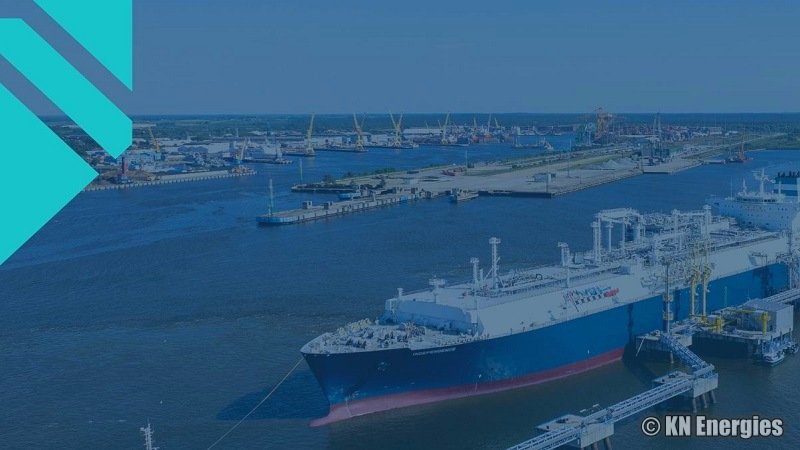
Klaipėda, Lithuania – A major step toward maritime decarbonization is underway at the Klaipėda LNG terminal, as international terminal operator KN Energies prepares to launch a virtual biomethane liquefaction service. The initiative, confirmed in a recent company release, positions Klaipėda as a pivotal node in the emerging Bio-LNG market and expands the role of LNG infrastructure in the energy transition.
This pioneering initiative is set to commence within the current quarter. It positions Klaipėda as a crucial hub for the burgeoning Bio-LNG market, offering a flexible and efficient pathway for biomethane producers and suppliers. Their aim is to integrate operations into the LNG logistics chain and monetize gases produced in Lithuania and across Europe, injected into the common European gas grid.
Table of Contents
Strategic Role of Klaipėda and the Baltic Region
The Klaipėda LNG terminal has long been a vital energy gateway for the Baltic Sea region. Its core function of regasification ensures regional energy security. The introduction of virtual biomethane liquefaction, however, significantly elevates its strategic importance.
From a bunkering news perspective, the ability to source and supply Bio-LNG at such a key port in the Baltic Sea region. greatly enhances the accessibility of this cleaner fuel for vessels operating in the Baltic and beyond. This development solidifies Klaipėda’s role not just as a conventional LNG hub, but as a proactive enabler of the maritime industry’s green transition.
KN Energies highlights that Klaipėda will become one of the first in Europe – and the first in the region – to offer such a service. Currently, only a few of the 28 operating LNG terminals in Europe provide biomethane liquefaction or virtual liquefaction services. This underscores the terminal’s innovative leap.
biomethane: A Renewable Game-Changer in Bunkering
At the heart of this new service is biomethane, a renewable gas derived from organic waste. When liquefied, it becomes Bio-LNG (or LBM – Liquefied Biomethane). This is a “drop-in” fuel, perfectly compatible with existing LNG bunkering infrastructure and LNG-powered vessels.
This compatibility is a major advantage for shipowners and operators, allowing them to leverage current investments while substantially reducing their carbon footprint. Bio-LNG offers significant well-to-wake greenhouse gas (GHG) emission reductions, with potential for near net-zero or even negative emissions depending on the feedstock. For the bunkering sector, this translates to a readily available, low-carbon alternative that meets the growing demand for sustainable fuels.
FuelEU Maritime and the Push for Low-Carbon Compliance
The timing of KN Energies’ announcement is particularly pertinent. It comes in light of the “stricter renewable fuel requirements coming into force in 2025 under EU Regulation 2023/1805.” This regulation, commonly known as FuelEU Maritime, sets ambitious targets for reducing the GHG intensity of energy used on board ships calling at EU ports.
The availability of Bio-LNG through services like virtual liquefaction directly supports compliance with these stringent environmental mandates. For shipowners navigating the complexities of decarbonization, access to certified Bio-LNG at strategic bunkering locations becomes a vital tool. It allows them to lower their carbon intensity without requiring extensive modifications to their existing LNG-fueled fleet. KN Energies explicitly states this initiative will “contribute to the decarbonization of maritime transport.”
How Virtual Liquefaction Works — and Why It Matters
The concept of “virtual liquefaction” is key to understanding the flexibility and support this service offers, as outlined by KN Energies. This model presents a flexible and efficient solution relevant to both Lithuanian and international market participants seeking sustainable fuel alternatives.
Instead of physically liquefying biomethane at the terminal from a dedicated pipeline, KN Energies facilitates the process virtually. This means biomethane producers can inject their gas into the common European gas grid. KN Energies then effectively “withdraws” an equivalent amount of biomethane at the Klaipėda terminal, where it can be liquefied and made available for bunkering.
This model simplifies logistics, enables broader biomethane access, and reduces physical infrastructure constraints — making it ideal for expanding renewable marine fuel supply. It’s a proactive step in expanding the LNG value chain, aligning with KN Energies’ strategic goal to be at the forefront of the energy transition.
A key preparatory step for this service has already been completed: on July 8, 2025, the National Energy Regulatory Council approved amendments to the LNG Terminal Regulations. These updated regulations will soon be published on the KN Energies website. This development will significantly enhance the competitiveness of the Klaipėda LNG terminal and further diversify the use of LNG infrastructure without impacting its core function – regasification.
A Catalyst for Green Bunkering in Europe
KN Energies’ launch of a virtual biomethane liquefaction service is more than just a new offering; it’s a significant milestone for the bunkering industry. It demonstrates a clear commitment to sustainable maritime operations, leveraging existing infrastructure to accelerate the adoption of cleaner fuels.
As the world pushes for greater decarbonization, the availability of Bio-LNG at key bunkering ports like Klaipėda will be instrumental in supporting the maritime sector’s energy transition and achieving critical environmental targets. This initiative truly serves as a catalyst for a greener future in shipping.
About KN Energies: From Regional Gateway to Global Energy Partner
KN Energies, formerly known as Klaipėdos Nafta, is an international energy terminal operator based in Klaipėda, Lithuania. Rebranded in January 2024 to reflect its strategic pivot towards sustainable energy, the company operates liquid energy product terminals and the Klaipėda LNG terminal, a critical piece of energy infrastructure for the Baltic region. KN Energies is actively expanding its international presence, providing LNG terminal development and operational services globally.
With a commitment to supporting the decarbonization of the energy sector and maritime transport, KN Energies is a key player in the transition to a climate-neutral future, offering innovative solutions for sustainable energy carriers like biomethane.
Source KN Energies